
Ask the Light: The Translucency Test
Hold a thin-walled porcelain piece up to a light source. Authentic Jingdezhen porcelain is famous for its remarkable translucency—a direct result of the pure kaolin clay fired at extreme temperatures. When backlit, genuine high-fire porcelain glows with a soft, warm, almost ethereal quality. Low-quality imitations or low-fire ceramics will appear dull, opaque, or entirely dark even under strong light.
Listen to the Ring: The Chime Test
This is one of the oldest tricks in a porcelain expert’s handbook. Gently tap the rim or body with your fingernail. Authentic Jingdezhen porcelain produces a clear, sustained, bell-like ring that resonates for a moment before fading. This happens because high-fire vitrification creates an exceptionally dense, glass-like body. Low-fire ceramics, by contrast, produce a dull, short thud—a dead giveaway.
Inspect the Glaze Surface
The glaze is where shortcuts become impossible to hide. Run your fingers across the surface—it should feel smooth, uniform, and glassy, with zero grittiness. Look closely under good light: genuine Jingdezhen glaze is free of bubbles, pinholes, cracks, or uneven patches. The underglaze colors—whether the iconic cobalt blue or copper red—should appear vivid, crisp, and embedded deep beneath the glossy surface, never sitting on top like a cheap decal.
Examine the Foot Rim
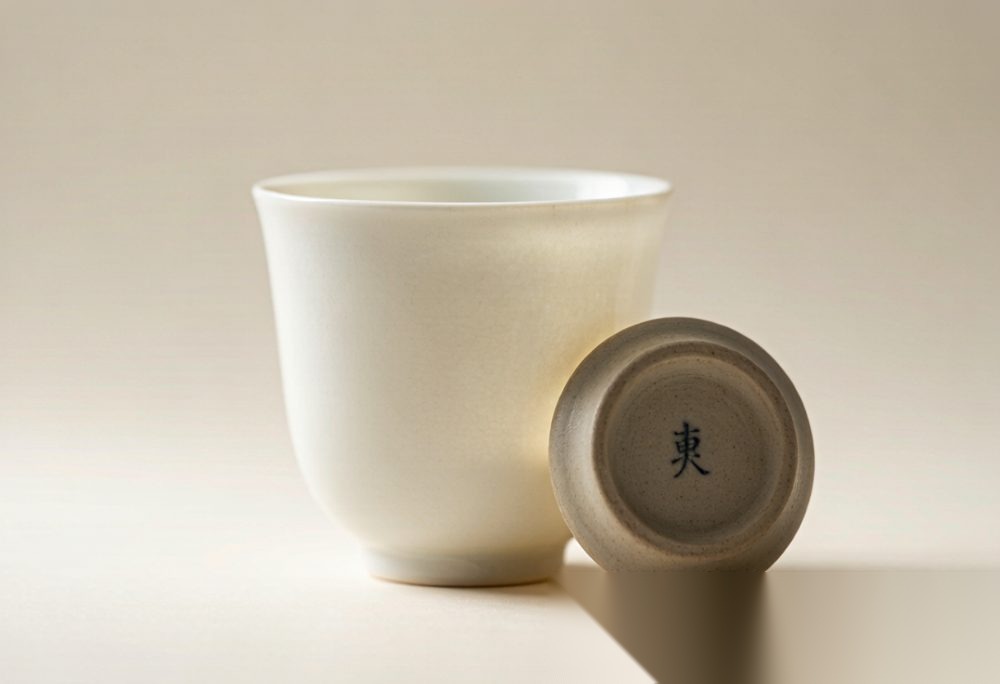
Turn the piece over. The foot rim—the unglazed ring at the base—is where master craftsmanship reveals itself. On authentic pieces, this rim is finely trimmed, clean, and precise. You will typically see the raw, pale kaolin clay with a texture like fine sand or satin. On mass-produced counterfeits, the foot rim is often sloppy, coarse, or artificially smoothed over to hide poor materials.
Feel the Weight and Balance
Pick up the piece. Authentic Jingdezhen porcelain feels refined yet substantial—there is a satisfying density that speaks to the quality of the clay and the thoroughness of the firing. The weight should be evenly distributed; a well-made cup or vase sits naturally in your hand. Counterfeits often feel unexpectedly heavy (from fillers and inferior clay bodies) or suspiciously light (from low-density, poorly vitrified material). Trust your hands—they know more than you think.
The Bottom Line
Identifying genuine Jingdezhen porcelain is not about one single test—it is about the harmony of all five signals. Translucency, ring, glaze, foot rim, weight: when all of these align, you are holding something genuine. When even one is off, walk away. With practice, these checks become second nature.
Ready to experience the real thing? Browse our handcrafted Jingdezhen porcelain collection or contact us for wholesale inquiries.
Discover more from Zhejiang Ceramics (Jingdezhen)
Subscribe to get the latest posts sent to your email.